
What are the best platforms to register a new business in the UAE?
The best platforms to register a new business in the UAE are Dubai Mainland (via the DED), UAE Free Zones (via individual Free Zone Authorities), and the UAE Ministry of Economy’s federal e-services (for specific structures). The “best” choice depends on where you will trade, your banking needs, tax exposure, visa requirements, and long-term scalability—not price alone.
Why this question matters in Dubai
Most founders search for “best platforms” expecting a website or portal comparison. In the UAE, that assumption is risky.
Business registration here is jurisdiction-driven, not software-driven. The platform you choose determines:
- Where you are legally allowed to trade
- Whether banks will open accounts smoothly
- Your Corporate Tax and VAT profile
- Your visa eligibility and substance requirements
- How regulators view your activity two years later
Many businesses fail—not at incorporation—but at banking, tax registration, or renewal because the wrong platform was chosen upfront.
What Most Consultants Say
- “Free Zones are cheaper and faster”
- “Mainland is only needed if you want local clients”
- “You can always convert later”
- “Online portals make everything simple”
What actually works (real UAE practice)
- Banks evaluate substance + jurisdiction, not portal speed
- Conversions are costly, disruptive, and sometimes impossible
- Free Zone ≠ tax-free anymore (Corporate Tax applies)
- “Online” registrations still require manual compliance reviews
The platform decision is a structural decision, not a formality.
The three real platforms to register a business in the UAE
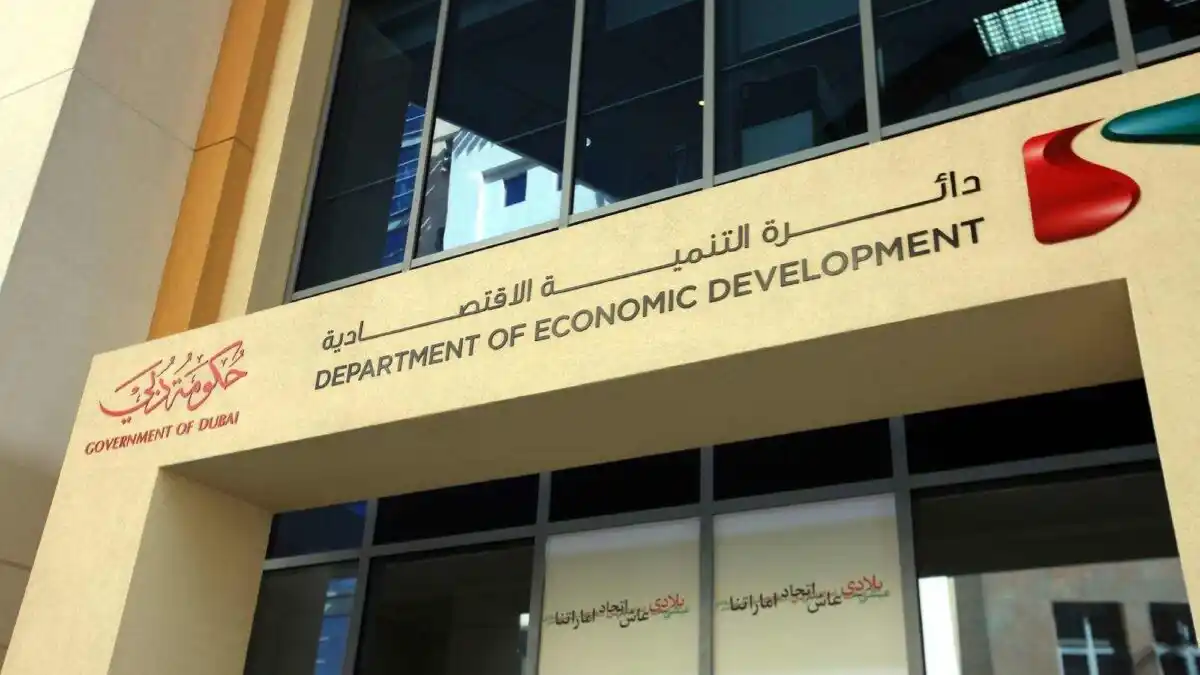
1) Dubai Mainland — via Dubai Department of Economy and Tourism (DET / DED)

What it is
The Dubai Mainland platform allows you to register directly under Dubai’s economic authority, enabling unrestricted onshore trading.
Best for
- B2B and B2C services in Dubai or UAE
- Companies needing strong banking credibility
- Businesses working with government, corporates, or regulated sectors
- Long-term scalability and multiple branches
What actually happens in practice
- Licensing is fast (3–10 working days)
- Banking approval rates are significantly higher
- Corporate Tax registration is expected from Day 1
- Visa allocation aligns closely with real office/substance
Costs (realistic ranges)
- Licence: AED 12,000 – 18,000
- Local service agent / office (if required): AED 5,000 – 25,000
- Visa per person: AED 3,500 – 6,000
Key compliance notes (2025–2026)
- Corporate Tax registration mandatory
- VAT registration if turnover exceeds AED 375,000
- Economic Substance expectations increasing for services
2) UAE Free Zones — via individual Free Zone Authorities
Commonly used Free Zones include technology, trading, media, logistics, and professional hubs.

What it is
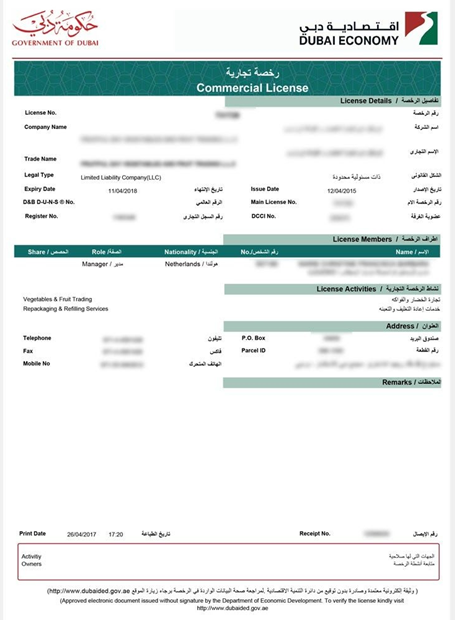
Each Free Zone is a separate licensing authority with its own portal, rules, and regulator.
Examples include:
- IFZA – flexible consulting & services
- Meydan Free Zone – cost-efficient digital businesses
Best for
- Export-oriented businesses
- Online platforms with non-UAE customers
- Holding companies and IP structures
- Founders who don’t need local retail access
What actually happens in practice
- Incorporation is fast (2–7 days)
- Banking depends heavily on activity + nationality
- “Flexi-desk” setups face scrutiny after Year 1
- Mainland trading still requires local distributors or branches
Costs (realistic ranges)
- Licence packages: AED 9,000 – 15,000
- Visa per person: AED 3,000 – 5,000
- Renewal escalations after Year 2 are common
Key compliance notes (2025–2026)
- Corporate Tax applies if thresholds are met
- Qualifying Free Zone Person rules are narrowly interpreted
- Substance audits are increasing
3) Federal registration — via Ministry of Economy (MoE)


What it is
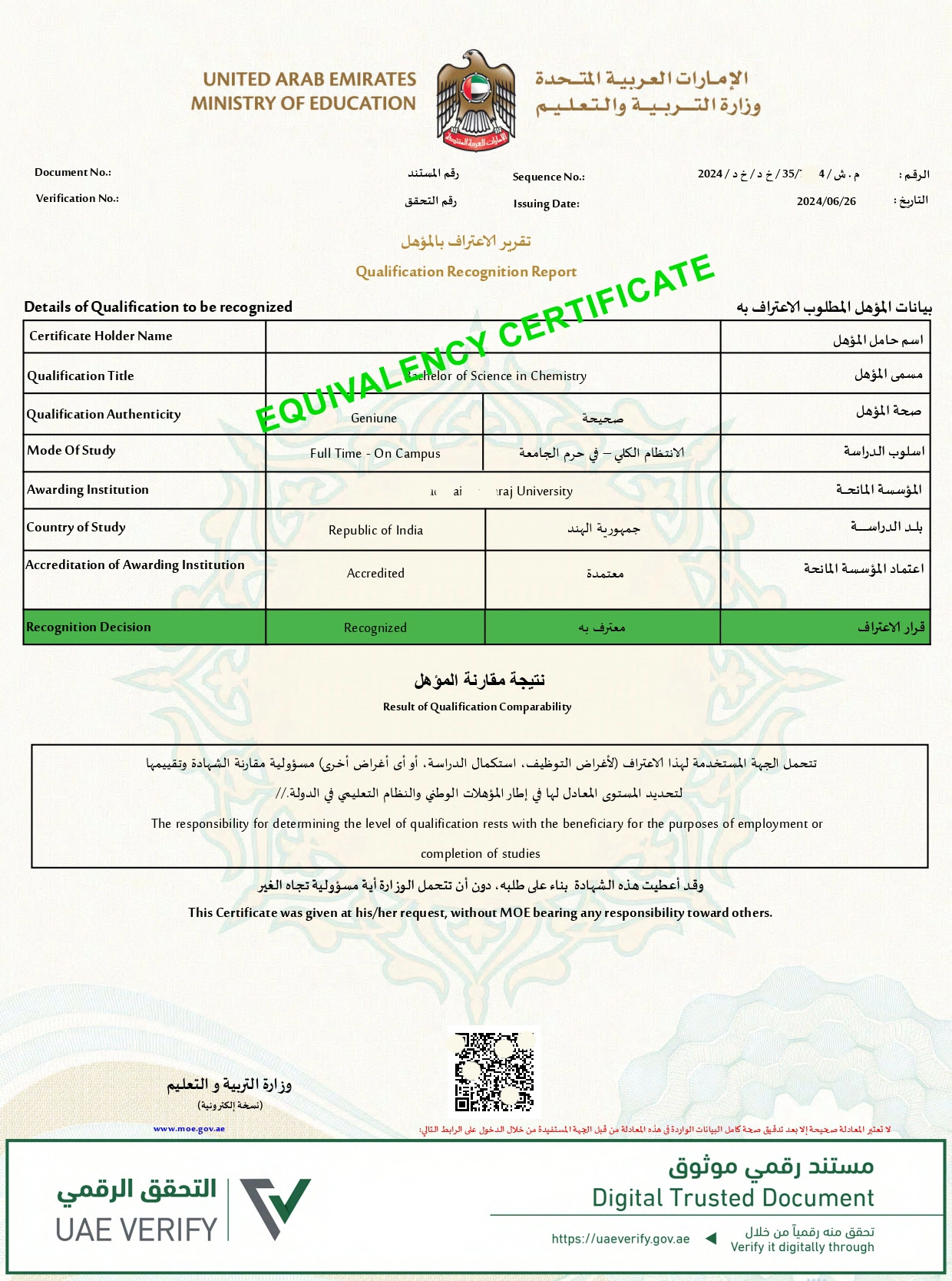
A federal-level registration used mainly for specific activities (branches of foreign companies, professional firms, trademarks, or IP-related filings).
Best for
- Branches of overseas entities
- Representative offices
- IP holding or licensing structures (with additional approvals)
What actually happens in practice
- Always paired with local authority approvals
- Not a standalone trading solution
- Used alongside Mainland or Free Zone licences
Step-by-step: choosing the right platform (practical process)
- Define where revenue will be generated
- UAE clients → Mainland likely required
- Overseas clients → Free Zone may suffice
- Assess banking reality
- High-risk or consultancy activities need stronger jurisdictions
- Cheap licences often cost more later in rejected accounts
- Map visa and substance needs
- Number of employees
- Physical presence expectations
- Model tax exposure
- Corporate Tax
- VAT
- Permanent Establishment risks
- Select platform + authority
- Then choose licence activity
- Then apply—not the other way around
Costs, timelines, and documents involved
Timelines (average)
- Mainland: 7–14 days (including name approval)
- Free Zone: 3–10 days
- Banking: 2–8 weeks (platform-dependent)
Core documents
- Passport & visa copies
- Proof of address
- Business plan (often required by banks)
- Activity justification
- Shareholder resolutions (for corporates)
Legal, tax, and compliance implications
- Corporate Tax (Federal Decree-Law No. 47) applies across Mainland and Free Zones
- VAT registration via Federal Tax Authority if threshold met
- AML/CFT compliance expected from Day 1
- Mismatch between licence activity and invoices triggers audits
This is where most low-cost incorporations fail.
Common mistakes & risks competitors ignore
- Choosing a Free Zone for UAE-facing services
- Underestimating banking due diligence
- Ignoring future visa scale-up
- Assuming “tax-free” still exists
- Selecting activities that banks consider high-risk
When each option makes sense — and when it doesn’t
Mainland makes sense when:
- You need credibility, banking stability, and local access
It doesn’t if you only trade internationally and want minimal presence.
Free Zone makes sense when:
- You operate internationally or digitally
It doesn’t if you expect heavy UAE client billing.
Federal registration makes sense when:
- You are extending an existing structure
It doesn’t as a primary trading vehicle.
Expert insights most competitors don’t mention
- Banks now reverse-engineer your licence choice
- Changing platforms later can reset compliance history
- Free Zone audits are becoming normalized
- Corporate Tax planning must be done before licence issuance
- The cheapest platform is rarely the most profitable
FAQs (People Also Ask)
1. Is Free Zone registration still tax-free in the UAE?
No. Corporate Tax applies subject to conditions and thresholds.
2. Can I trade in Dubai with a Free Zone licence?
Only via distributors or branches—not directly.
3. Which platform is fastest?
Free Zones, but speed doesn’t equal approval certainty.
4. Which platform do banks prefer?
Dubai Mainland for service-based businesses.
5. Can I convert Free Zone to Mainland later?
Sometimes—but often costly and disruptive.
6. Is online registration fully digital?
No. Compliance reviews remain manual.
7. Do I need an office for Mainland?
Usually yes, but options vary by activity.
8. What platform suits consultants best?
Depends on client location and billing flow.
9. Are visas easier in Free Zones?
Initially yes; renewals depend on substance.
10. Who should decide the platform—me or the agent?
A compliance-led advisor, not a sales agent.

Leave A Comment