
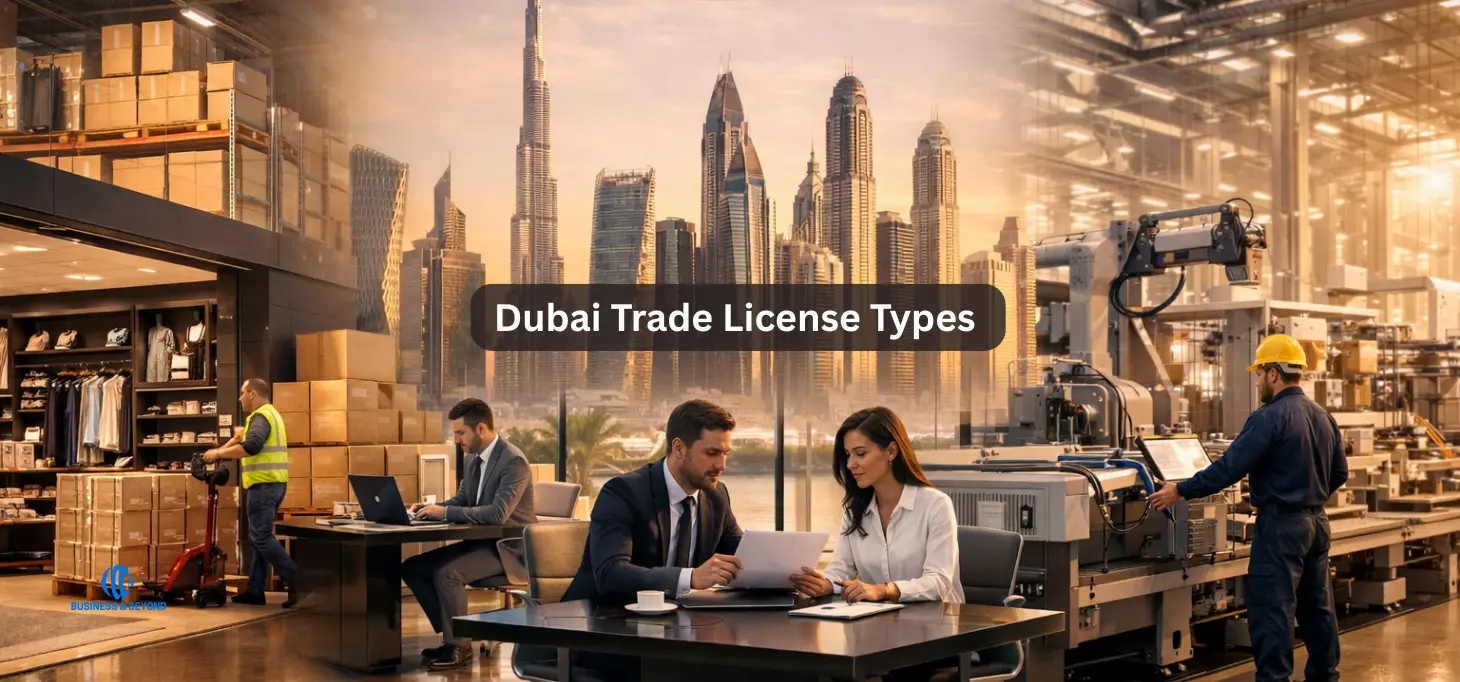
Dubai Trade License Types (Complete 2026 Guide)
Choosing the correct trade license in Dubai is not a formality—it is a regulatory decision that directly impacts your business model, banking eligibility, tax compliance, and operational flexibility.
Under the framework governed by the Dubai Department of Economy and Tourism and various UAE free zone authorities, every business must align its activities with a specific license category.
A wrong selection can lead to:
- activity restrictions
- banking delays
- compliance penalties under UAE Corporate Tax
- limitations on expansion
This guide provides a complete, regulator-level breakdown of Dubai trade license types, including mainland vs free zone differences, cost implications, and practical selection strategies.
What Is a Trade License in Dubai?
A trade license is a legal authorization issued by a competent authority allowing a business to conduct specific economic activities in the UAE.
Key Licensing Authorities
- Mainland: Dubai Department of Economy and Tourism
- Free Zones: DMCC, IFZA, Meydan, SHAMS, DIFC, ADGM, etc.
Legal Importance
A trade license determines:
- permitted activities
- ownership structure
- visa eligibility
- tax treatment under UAE Corporate Tax Law Federal Decree-Law No. 47 of 2022
- VAT applicability under UAE VAT Law Federal Decree-Law No. 8 of 2017
Main Types of Trade Licenses in Dubai
Dubai broadly classifies trade licenses into three primary categories:
Commercial License

A commercial license is issued for businesses involved in trading activities.
Activities Allowed
- import and export
- general trading
- retail and wholesale
- logistics and distribution
Suitable For
- trading companies
- e-commerce sellers
- wholesalers and distributors
Key Requirements
- defined trading activity list
- warehouse (in some cases)
- customs registration (for import/export)
Professional License

A professional license applies to service-based businesses relying on expertise and skills.
Activities Allowed
- consultancy services
- accounting and auditing
- IT services
- legal advisory
Suitable For
- consultants and freelancers
- service firms
- professionals (CA, lawyers, designers)
Key Requirements
- qualification proof
- possible external approvals (depending on activity)
- local service agent (for some mainland setups)
Industrial License
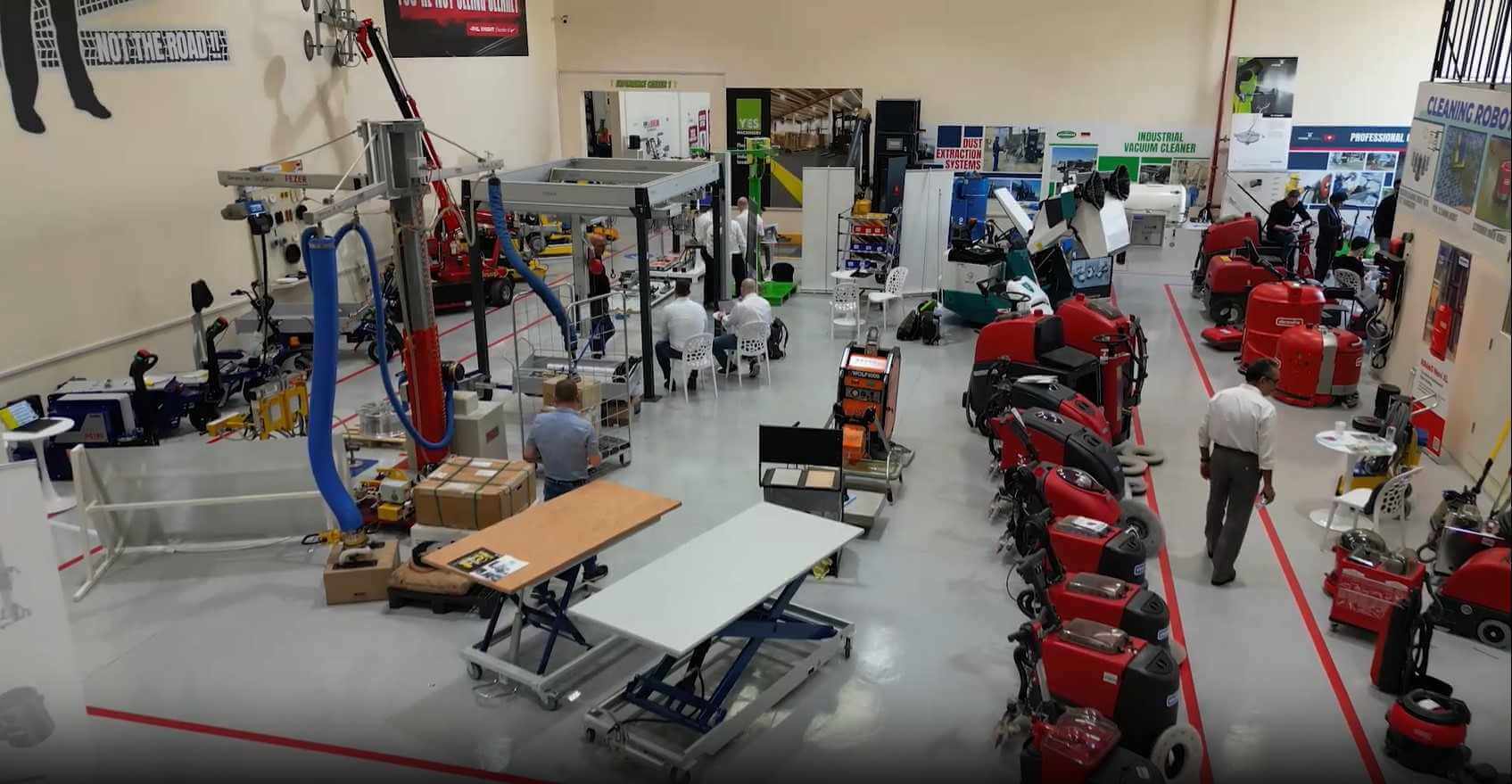
An industrial license is required for manufacturing or production activities.
Activities Allowed
- manufacturing
- packaging
- assembling
- processing raw materials
Suitable For
- factories
- industrial units
- production facilities
Key Requirements
- physical industrial facility
- approvals from relevant authorities
- environmental and safety compliance
Other Specialized License Types in Dubai
Beyond the core categories, Dubai offers specialized licenses tailored to modern business models:
Tourism License
- required for travel agencies, tour operators
- regulated by DET tourism department
E-commerce License
- allows online trading
- popular in both mainland and free zones
Freelance Permit
- individual license for solo professionals
- commonly issued in free zones
Media License
- issued by media-focused free zones
- for content creators, marketing agencies
Mainland vs Free Zone License Types
Choosing between mainland and free zone is a strategic decision, not just a cost decision.
| Factor | Mainland License | Free Zone License |
|---|---|---|
| Authority | DET | Free Zone Authority |
| Market Access | UAE-wide | Restricted (needs distributor for mainland) |
| Ownership | 100% foreign (most activities) | 100% foreign |
| Office Requirement | Mandatory | Flexi-desk options available |
| Visa Eligibility | Flexible | Package-based |
| Compliance | Higher regulatory oversight | Authority-specific rules |
Advisory Insight:
If your business requires direct UAE market access, mainland is typically more suitable.
If your priority is cost optimization and international operations, free zone is often preferred.
Learn more: Mainland vs Free Zone Company UAE (Complete 2026 Comparison Guide)
How to Choose the Right Trade License
Selecting the right license requires activity-level analysis, not assumptions.
Key Decision Factors
1. Business Activity
- trading → commercial license
- consulting → professional license
- manufacturing → industrial license
2. Target Market
- UAE customers → mainland
- international business → free zone
3. Ownership & Structure
- need full control → both options viable (post-100% ownership reforms)
4. Cost & Budget
- free zones: lower entry cost
- mainland: higher but more flexible
5. Visa Requirements
- number of employees
- growth plans
Cost of Different Trade Licenses in Dubai
Below is a realistic cost overview (2026 estimates):
| License Type | Mainland Cost (AED) | Free Zone Cost (AED) |
|---|---|---|
| Commercial | 15,000 – 30,000 | 10,000 – 20,000 |
| Professional | 12,000 – 25,000 | 8,000 – 18,000 |
| Industrial | 25,000 – 50,000+ | 20,000 – 40,000+ |
| Freelance | N/A | 6,000 – 15,000 |
Note: Costs vary based on:
- activity approvals
- office requirements
- visa allocation
Documents Required for Trade License
A standard application requires:
- passport copies of shareholders
- visa/entry stamp (if applicable)
- proposed trade name
- business activity selection
- Memorandum of Association (MOA)
- tenancy contract (Ejari for mainland)
Additional approvals may apply depending on activity.
Common Mistakes When Choosing a License
1. Incorrect Activity Selection
Choosing a generic or wrong activity can:
- restrict operations
- create compliance issues
2. Misunderstanding License Scope
Example:
- e-commerce license ≠ general trading license
3. Ignoring Regulatory Requirements
- missing approvals
- non-compliance with tax laws
4. Choosing Based Only on Cost
Low-cost setups often limit scalability.
How Business & Beyond Helps You Choose the Right License
At Business & Beyond, we don’t just process applications—we provide strategic advisory on Dubai trade license types, ensuring your business is structured with the correct commercial, professional, or free zone license for full regulatory compliance and scalability.
Our Approach
- activity mapping aligned with DET classifications
- mainland vs free zone feasibility analysis
- cost vs scalability evaluation
- tax and banking readiness
Why It Matters
A properly structured license ensures:
- smoother bank account opening
- compliance with UAE regulations
- long-term scalability
👉 If you are unsure which license fits your business, a structured consultation can prevent costly mistakes later.
Mainland Company Formation in Dubai
FAQ – Dubai Trade License Types
What are the 3 main types of licenses in Dubai?
- Commercial
- Professional
- Industrial
Which license is best for small businesses?
It depends on the activity:
- freelancers → freelance permit
- consultants → professional license
- traders → commercial license
Can I change my license type?
Yes, but it requires:
- approval from the authority
- amendment of legal documents
- potential additional costs
How much does a trade license cost?
Typically:
- AED 10,000 to AED 30,000 for most businesses
- higher for industrial setups
Final Advisory
Selecting a trade license is a strategic regulatory decision, not just a setup step.
A properly structured license ensures:
- compliance with UAE laws
- operational flexibility
- scalability and growth
👉 For founders entering the UAE market, working with a specialist advisor like Business & Beyond ensures your setup is tax-ready, bank-ready, and future-proof.

Leave A Comment